Soil Deposit Permit Agrologist Report, Township of Langley
Agrologist support for a Township of Langley soil deposit permit under Bylaw 4975: the ALC approval and Council resolution that come first, and the P.Ag. placement plan behind them.
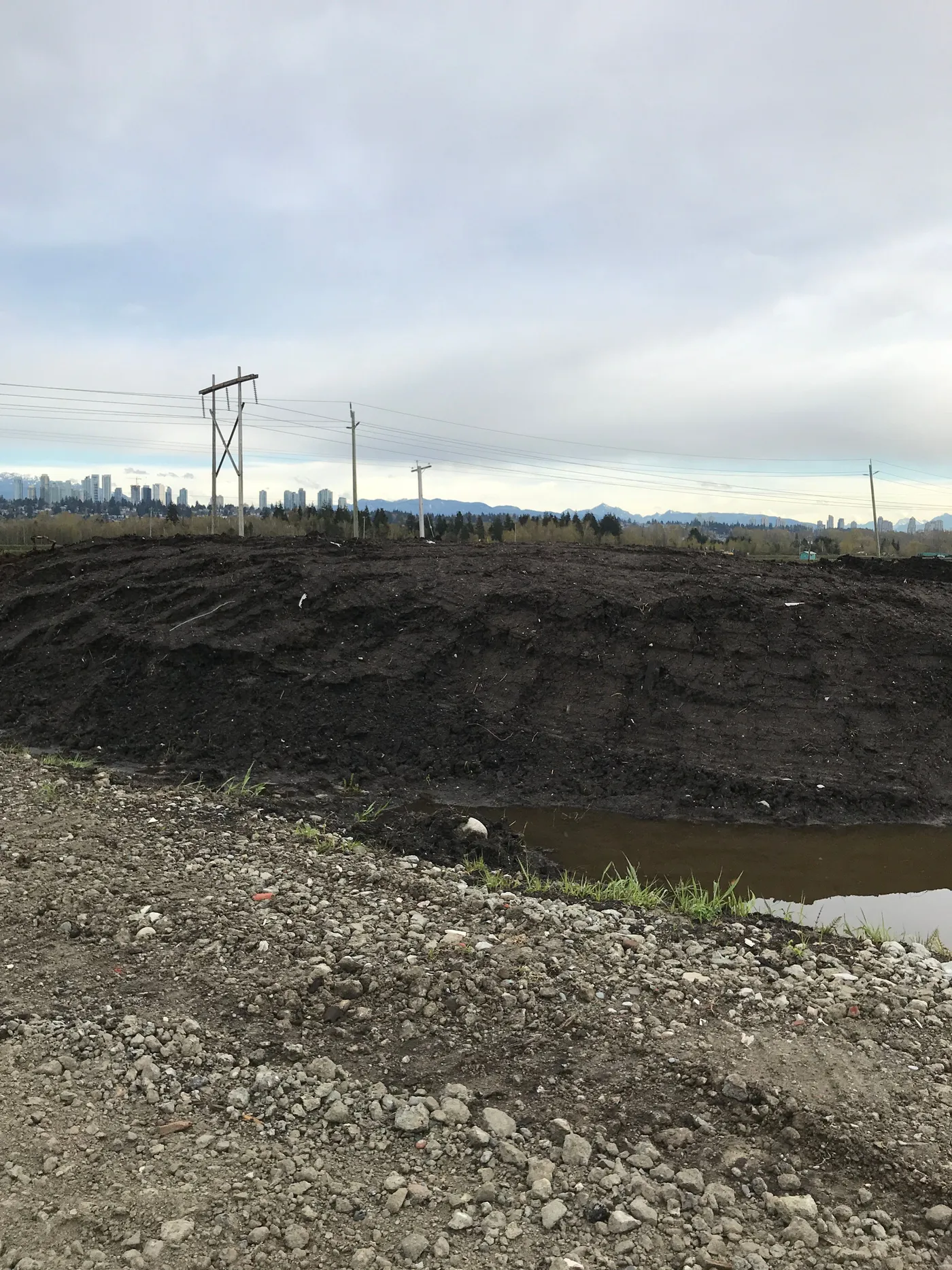
The Township of Langley's Soil Deposit and Removal Bylaw 4975 holds the permit until Council has resolved and the Agricultural Land Commission has approved. The Township's side is engineering; the Commission's side is where a Professional Agrologist's placement plan and capability assessment are required. We prepare the Commission package and the placement plan, and coordinate with the Township's engineers.
What's included
- The ALC notice of intent or soil or fill use application that Bylaw 4975 requires to be approved, with a Council resolution where the Act requires one, before a Township permit issues on ALR land
- The fill placement plan and technical documentation the Commission's June 2026 policies call for on fill for soil-bound agriculture, prepared by a Professional Agrologist
- The agricultural capability assessment to ALC Policy P-10 from test pits on the parcel, where the proposal rests on improved capability
- Coordination with the Engineer's requirements under the bylaw, including the survey plan and any Professional Engineer's report the Township asks for
- Agrologist-of-record placement oversight and closure sign-off once the permit issues, scoped separately
How Langley sequences it
Roughly three-quarters of the Township of Langley is in the Agricultural Land Reserve, and its Soil Deposit and Removal Bylaw 4975 is built around that. No deposit or removal proceeds without a Township permit beyond the small residential allowance, an activity the Commission permits is still not exempt from the bylaw unless the Engineer directs, and where the Act requires a Council resolution, section 9 holds the permit until Council has resolved and the Commission has approved.
The practical order is a Township application, a Council resolution, the Commission’s approval, then the permit. The Commission package is the document that carries it, and the agrologist’s work is what that package rests on. Our guide to bringing fill onto ALR land covers the general picture and the Langley service area page the local one; this page is about the permit.
What the Township asks for, and what the Commission asks for
The Township’s bylaw is an engineering instrument. Section 14 lets the Engineer require a survey plan at half-metre contours showing before and after surfaces, and a report from a Professional Engineer; the Township’s soil page points applicants to the BC Institute of Agrologists and ACEC-BC to find the qualified professionals a file needs. It does not name an agrologist, and we do not claim that it does.
The Commission’s side is where the P.Ag. is required. Reports submitted to the ALC on agricultural capability must be prepared by a Professional Agrologist in good standing with the BCIA under Policy P-10, and since June 2026 Policies L-23 and P-15 set out what a fill placement plan for soil-bound agriculture has to contain: the agricultural purpose, existing and proposed capability, material, volumes, depths and final grades, drainage, and verification. Whether the file is a notice of intent or a full soil or fill use application turns on the scale of the filling, and the Commission has been refusing small accessory-building pad proposals more often this year. We make that call at scoping, in writing.
What we deliver
One practice prepares the placement plan, the capability assessment from test pits on the parcel, the Commission package and the material for the Township’s Council report, so all of them say the same thing. Observed drainage conditions and their agricultural implications are described within our scope; engineered drainage, the survey and any geotechnical report stay with the engineers the bylaw names, and we coordinate that interface rather than crossing it.
South Langley’s deep organic soils change the questions. A fill placement plan on Lumbum peat has to deal with settlement, the water table and the fit between the imported material and the receiving profile, and the Commission reads those files closely. Where material comes from another site, the source-site sign-off memo documents it. Once the permit issues, we stay on as agrologist of record for placement oversight and the closure sign-off.
Working in Langley
Titrin AgriSoil Solutions is based in Richmond and holds active Township files. Tish Titina, P.Ag., M.Sc., worked inside the Commission and a Metro Vancouver municipality before founding the practice. The Richmond version of this page, where the City bylaw itself names the agrologist, is here; the Delta version is here.
If you have a Township parcel and fill to place or remove, send us the address, the volume and the purpose. We scope within one business day.