ALC application consultants in Richmond and across BC
Complete, agronomically-backed ALC application packages, NOI, soil/fill, non-farm use, subdivision, exclusion, and reconsideration.
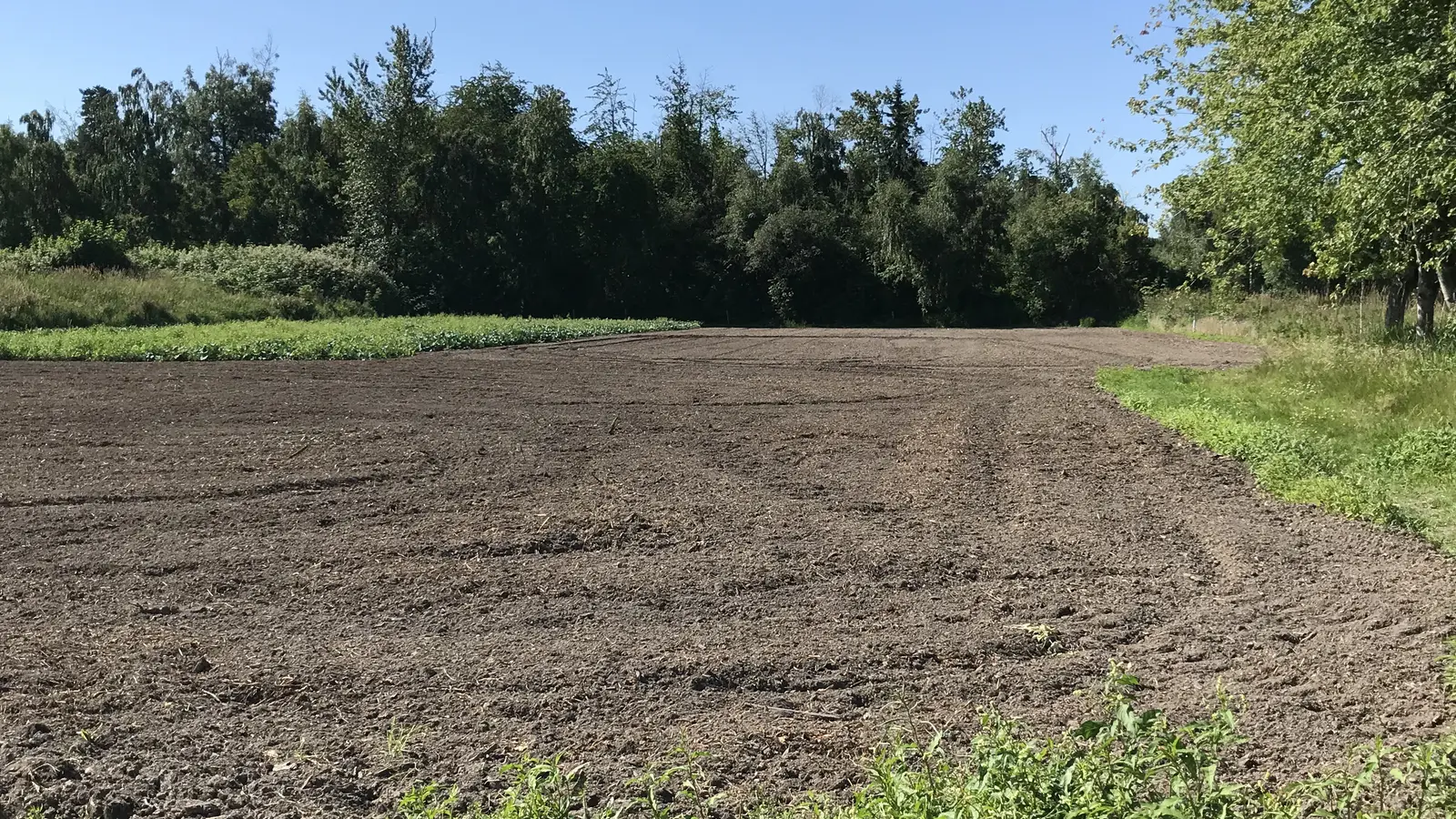
Applications to the Agricultural Land Commission, prepared and coordinated from start to finish. We build the agricultural rationale, assemble the submission package, and liaise with both the ALC and your municipality so the file lands complete. Notice of Intent, Soil or Fill Use, Non-Farm Use and Subdivision, the agricultural evidence for an exclusion request led by a local government, and measured responses to refusal notices and reconsideration requests. Prepared by someone who has read these files from the Commission's side.
What's included
- Complete ALC application package ready for submission: NOI, Soil or Fill Use (SFU), Non-Farm Use or Subdivision
- Agricultural evidence for an exclusion application made by a local government
- Agricultural rationale grounded in site observation, soil assessment, and test pit findings
- Site and context review against ALR boundaries, current use, and agricultural capability
- Coordination with the ALC and your local government through the application pathway
- Supporting maps, site plans, and a clear narrative addressing the Commission's decision criteria
- P.Ag.-authored documentation and stamped agrologist letters where appropriate
- Response letters to ALC refusal notices and reconsideration submissions
- A realistic read on approval prospects before you file, including when an application is not the right move
What an ALC application is
If your land is inside the Agricultural Land Reserve (ALR), most changes beyond everyday farming need approval from the Agricultural Land Commission (ALC), the provincial body that oversees the ALR and protects agricultural land for agriculture. Placing or removing soil, running a non-farm activity, dividing a parcel, or taking land out of the Reserve generally goes to the Commission for a decision.
An ALC application is how you ask for that decision, and done well, it is far more than a form. It is an evidence-backed case explaining what you want to do, why it makes sense, and how the land’s agricultural interest is protected. Because the review is discretionary, that case matters: a thin submission invites delay, requests for more information, or refusal, while a complete, well-reasoned one keeps the timeline moving.
Titrin prepares the full range: Notice of Intent (NOI), Soil or Fill Use (SFU), Non-Farm Use and Subdivision, the agricultural evidence for an exclusion request led by a local government, and responses to refusal notices and reconsideration submissions when a decision does not go your way.
When you need one
You likely need an ALC application, or at least a conversation about one, if your ALR property involves:
- Placing or removing soil and fill. Regulated in the ALR. Smaller, defined activities may need only a Notice of Intent; larger proposals need a full Soil or Fill Use application.
- A non-farm use. Operating a business, facility, or non-farming activity on the land usually requires Non-Farm Use approval.
- Subdividing the parcel. Dividing ALR land, including boundary adjustments, typically needs Commission approval.
- Exclusion from the ALR. A private owner cannot apply for this. Under section 29 of the Agricultural Land Commission Act, only the Province, a local government, a First Nation government or a prescribed public body can, and a local government can apply for land in its own jurisdiction.
Not every situation needs a full application, and some need nothing at all. One of the most useful things we do is tell you early and honestly which pathway applies, including when the right answer is to take no action or reshape your plans so an application is not required.
The route an application takes
Most applications do not start at the Commission. Under section 34.1 of the Agricultural Land Commission Act, the application is submitted to the municipality, or to the regional district, Islands Trust or First Nation government where the land sits there. That body must review it and then either forward it to the Commission with its comments and recommendations, or tell the applicant it will not be forwarded because it has been refused. For a use or subdivision application on land zoned to permit farm use, or one that needs an official community plan or zoning amendment, the application cannot proceed unless the local government authorizes it by resolution (section 25(3)). The local review is a real decision point.
At the Commission, a use or subdivision application must be rejected where the regulations require it; otherwise it can be refused, approved with or without limits or conditions, or approved for an alternative use or subdivision (section 25(1)). The Commission can also set criteria under which its chief executive officer approves some applications (section 27). Where an approval carries conditions such as status reports or a closure report, our agrologist of record service carries them through the work.
Soil and fill have a second route. An owner can file a notice of intent with the chief executive officer, who must request more information, approve the work as set out or subject to limits and conditions, or order that it not go ahead without a permission under the Act. If none of those happens within 60 days of receiving the fee and notice, or the information requested, the work may proceed as described in the notice (section 20.3). An owner can also apply to the Commission for a soil or fill use whether or not a notice was filed (section 20.3(5)).
How Titrin approaches it
We start with the land, not the paperwork. As a Professional Agrologist practice, our foundation is the site. We review the parcel against the ALR boundary, its current and historical use, and its agricultural capability. Where soils are central, as in most soil and fill matters, we draw on field observation and test pit findings. Drainage and other site characteristics are described qualitatively, in terms of observed conditions and their agricultural implications; detailed drainage or engineering design is the work of a qualified engineer, and we coordinate with one where needed.
We build the agricultural rationale. This is the heart of any submission. The Commission weighs your proposal against the land’s agricultural interest, so the rationale must speak that language, grounded in soil and capability, current use, and surrounding agricultural context. We write it as a clear narrative addressing the criteria the Commission considers, supported by maps, a site plan, and relevant evidence.
We assemble a complete package. Incomplete files are a common cause of delay. We pull together the application, rationale, supporting plans and mapping, and P.Ag.-authored documentation, so what reaches the Commission stands on its own.
We coordinate with the ALC and your municipality. Most applications move through your local government before reaching the Commission, and municipal zoning and bylaws often apply alongside the ALR. We work both channels in parallel so the agricultural case and local-government considerations align rather than conflict, frequently where files stall.
We handle refusals and reconsideration. A refusal notice generally sets out the Commission’s reasons. We read them closely, identify what new or clarified information could address them, and prepare a focused reconsideration submission or revised application, with a straight answer on whether that is worth pursuing.
Why Titrin
From the Commission’s side of the desk. Tish Titina, P.Ag., M.Sc., brings more than ten years on the regulatory side, including work touching the Agricultural Land Commission and the City of Richmond. We have seen how these files are read and assessed, and prepare yours from that vantage point, anticipating a reviewer’s questions before they ask them.
Full-cycle delivery. ALC approval is rarely the whole story; the same proposal often involves soil and fill work, municipal permitting, and downstream compliance. Titrin can carry a file from assessment through application and stay involved as the work proceeds, so nothing falls through the gaps between separate consultants.
Direct access to the P.Ag. You work with the Principal Agrologist, not a junior handed the file after the pitch. The person who understands your land is the one who writes the rationale and signs the documentation.
Science-backed, and honest about scope. Our recommendations rest on soil science and site evidence, not on telling you what you hope to hear. We do not guarantee outcomes, ALC decisions are discretionary and belong to the Commission, and we are clear about where our agrologist scope ends and an engineer’s or biologist’s begins. That candour is what makes the case we build credible.
Serving Richmond, Metro Vancouver, the Fraser Valley, and Vancouver Island, Titrin helps landowners, farmers, and developers move ALR proposals through the Agricultural Land Commission with a complete package and a realistic plan. If you are weighing an NOI, Soil or Fill Use, Non-Farm Use or Subdivision application, an exclusion request, or a response to a refusal, start with a consultation about whether, and how, to proceed.
Frequently asked questions
When do I actually need an ALC application?
What is the difference between a Notice of Intent and a full application?
Do you go through the municipality as well as the ALC?
My ALC application was refused. Is there anything I can do?
Can you guarantee my application will be approved?
Does a farm stand or farm store need an ALC application?
How long does the Commission take?
What does the Commission need in a soil or fill application?
Related projects
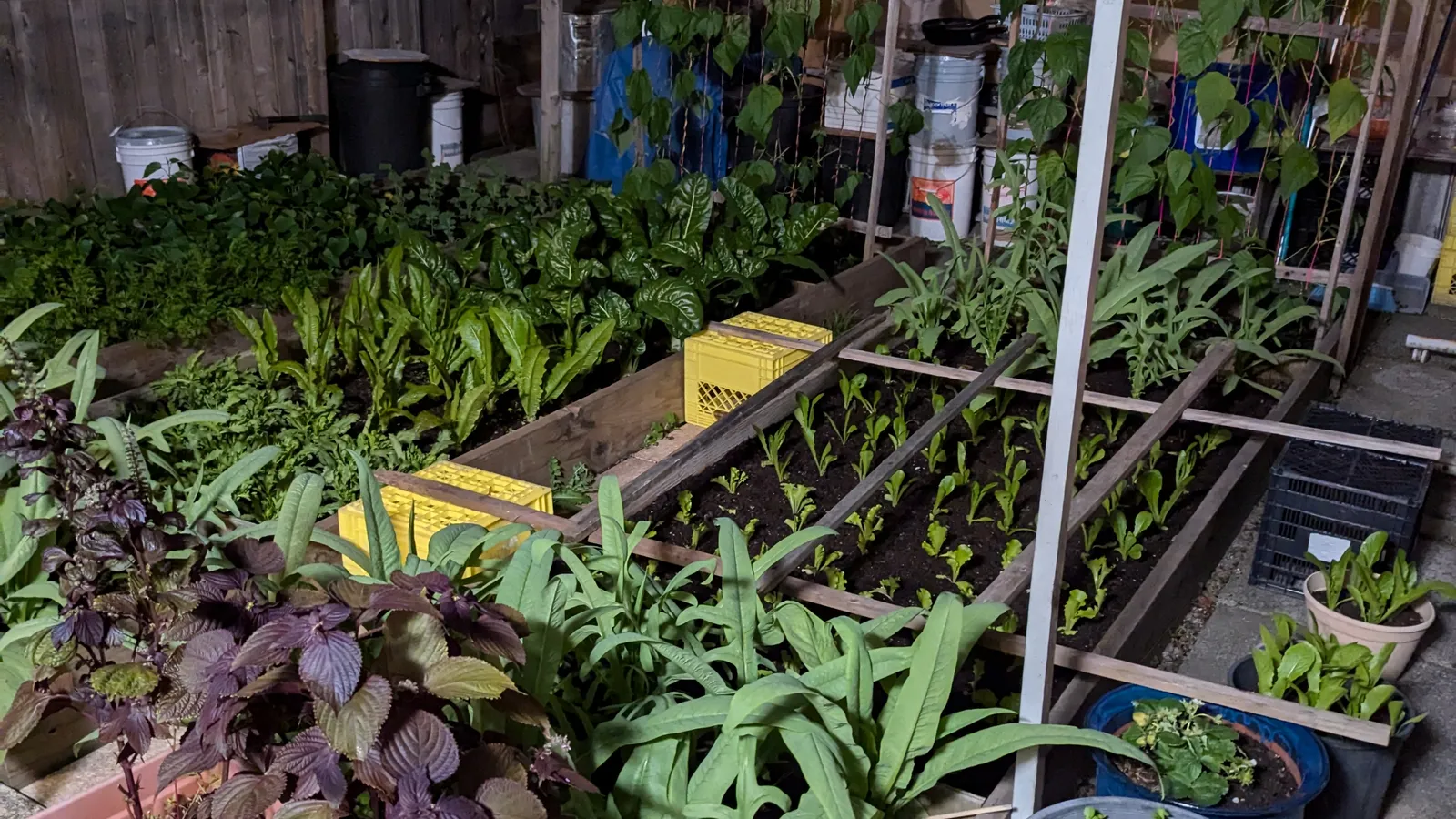
Boutique Nursery & Cut-Flower Farm
Titrin prepared the farm plan for a boutique nursery and cut-flower operation in Richmond, setting out the agricultural rationale to support the owner's Agricultural Land Commission Notice of Intent and satisfy the municipality's farm-use requirements.
View project →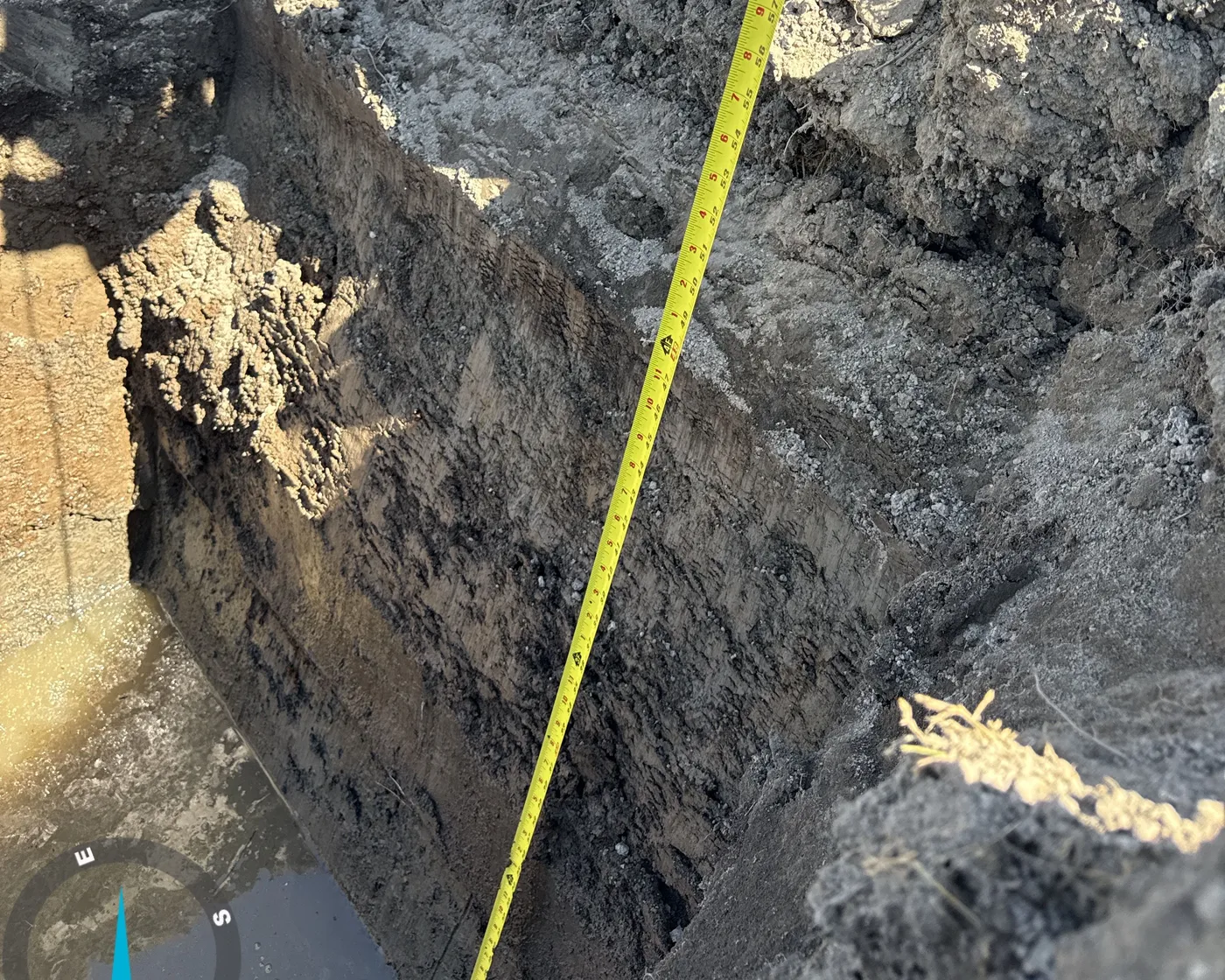
Equestrian Pasture Conversion
Titrin prepared a P-10 Land Capability Assessment for an equestrian property in Langley, supporting an Agricultural Land Commission application to remove peat and place soil so the land could be brought into pasture and broodmare use. The work was led directly by our Principal Agrologist, P.Ag.
View project →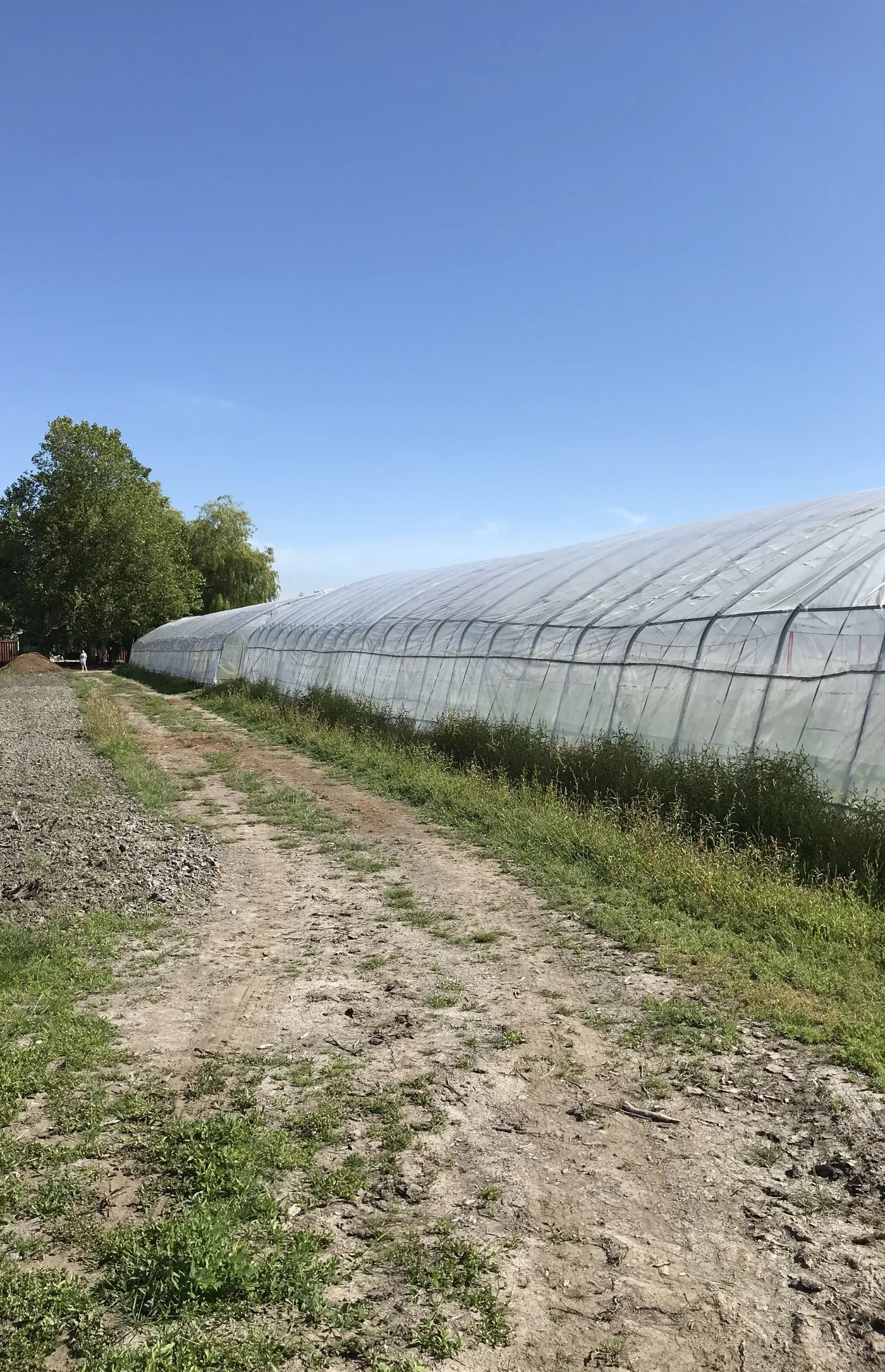
New Farm Access Road
Titrin acted as the agrologist of record and file lead, preparing and securing an ALC Notice of Intent approval and negotiating environmental development-permit relief for a new farm access road in Richmond, then coordinating the build through Titrin's licensed builder and general contractor partner to completion.
View project →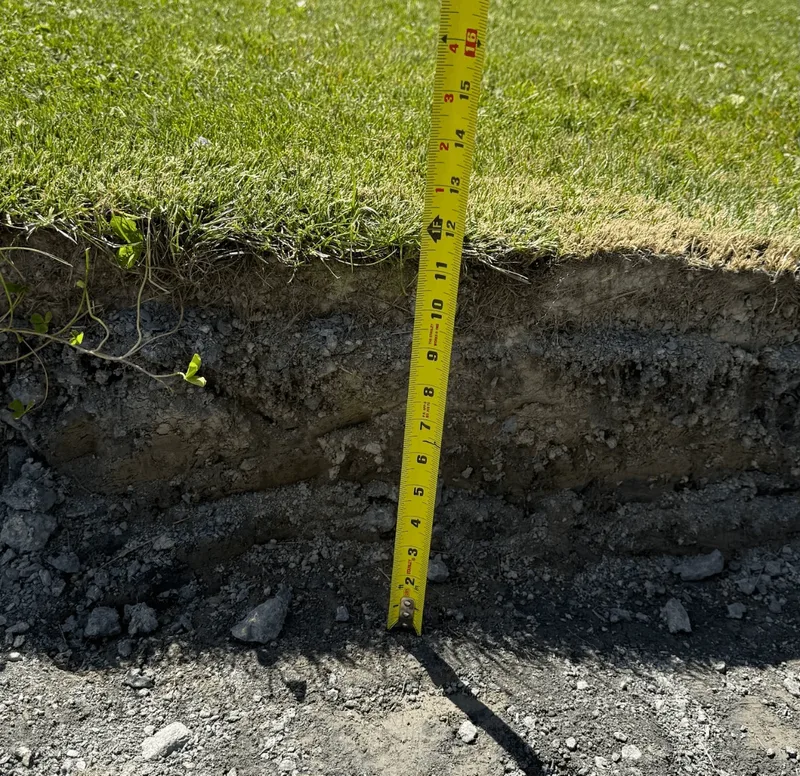
Athiana Acres
Titrin prepared the agricultural rationale and supporting analysis for a boundary realignment within the Agricultural Land Reserve, and coordinated the overlapping Agricultural Land Commission and municipal requirements on the owner's behalf.
View project →