November 9, 2026 · 5 min read
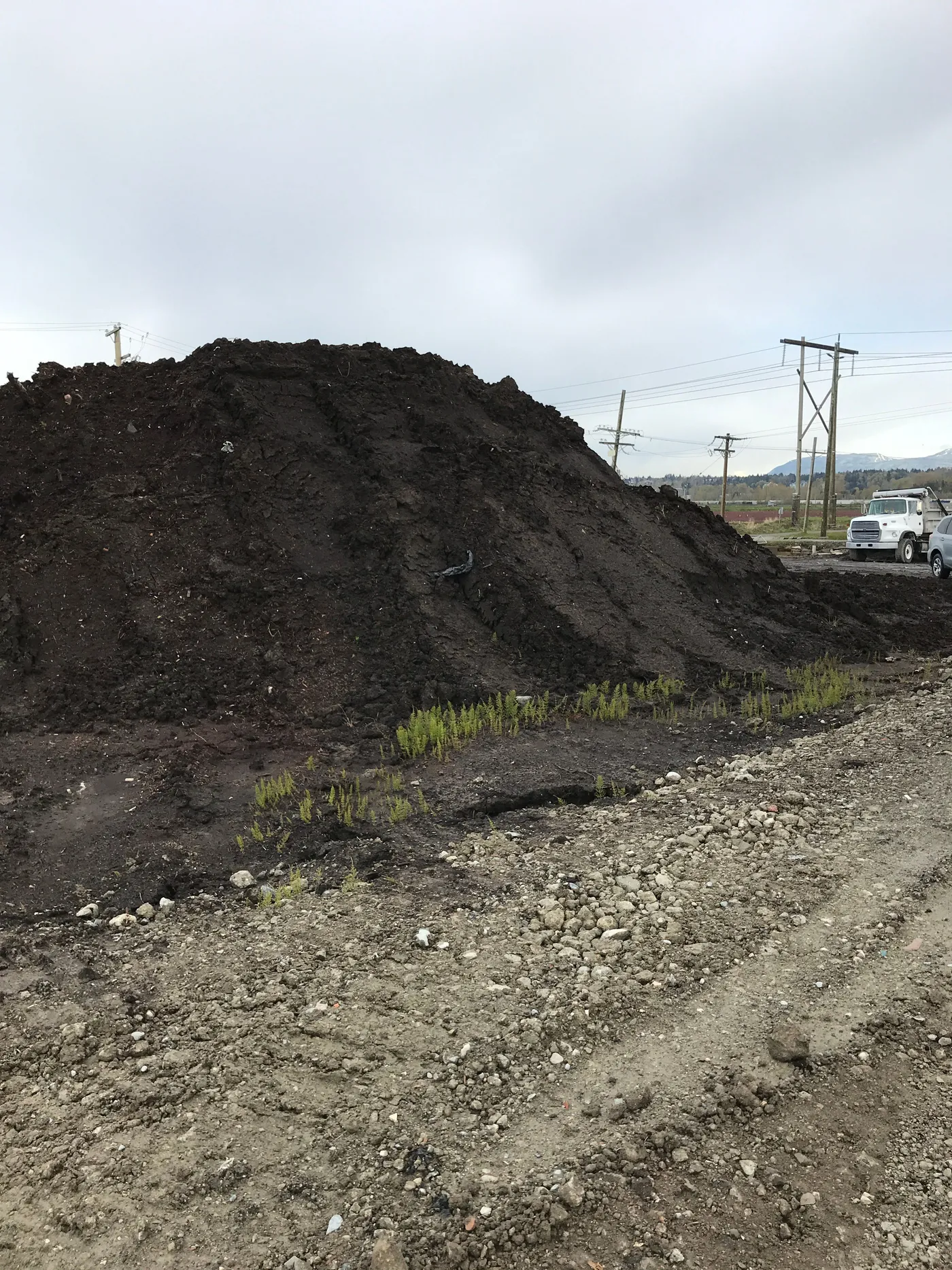
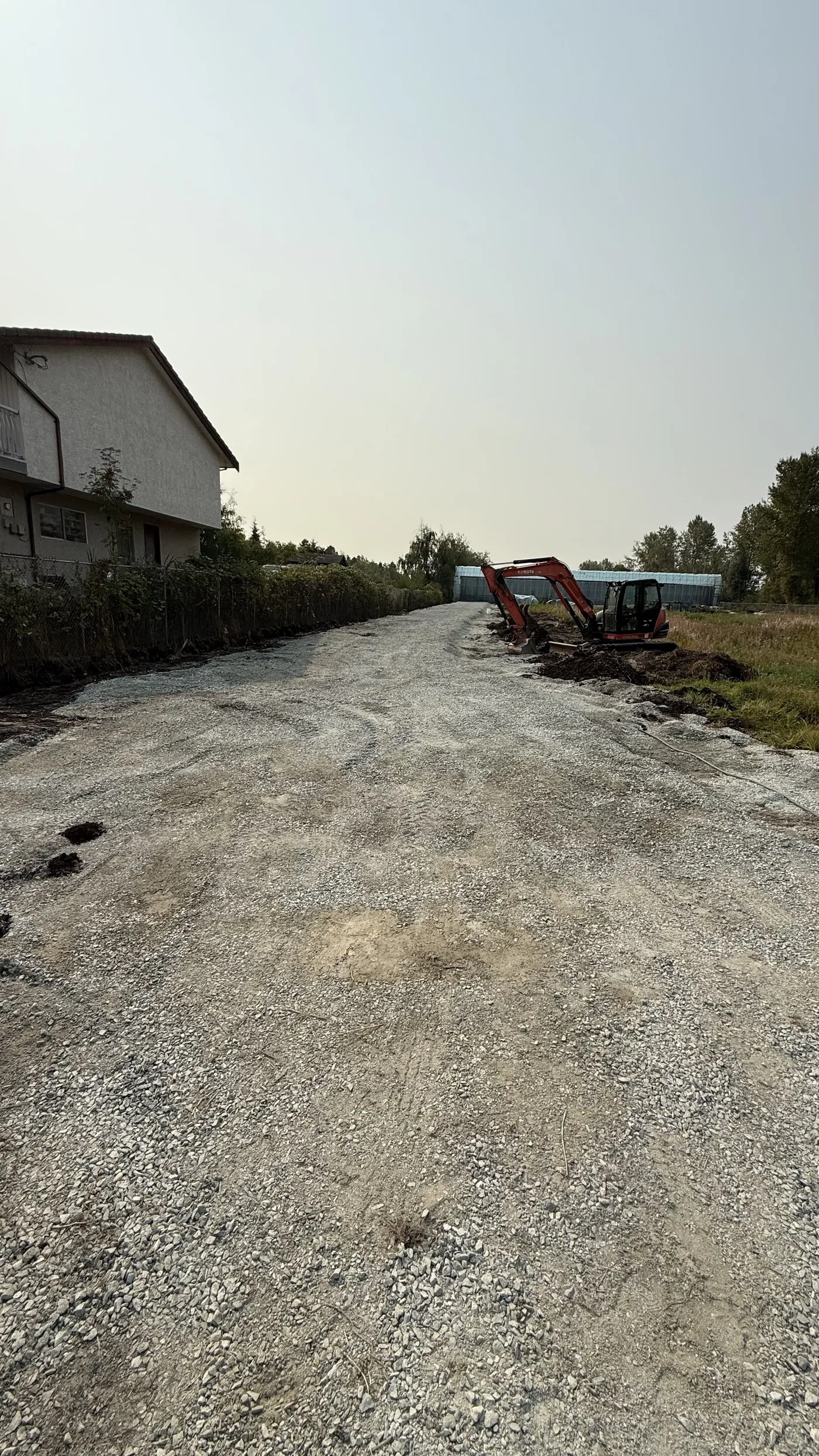
Trucks are bringing fill onto the property next door. What are the rules?
Dump trucks lining up at the farm next door can be lawful or not. How to check what is approved, what the rules protect, and how to raise a concern.
It may be entirely above board
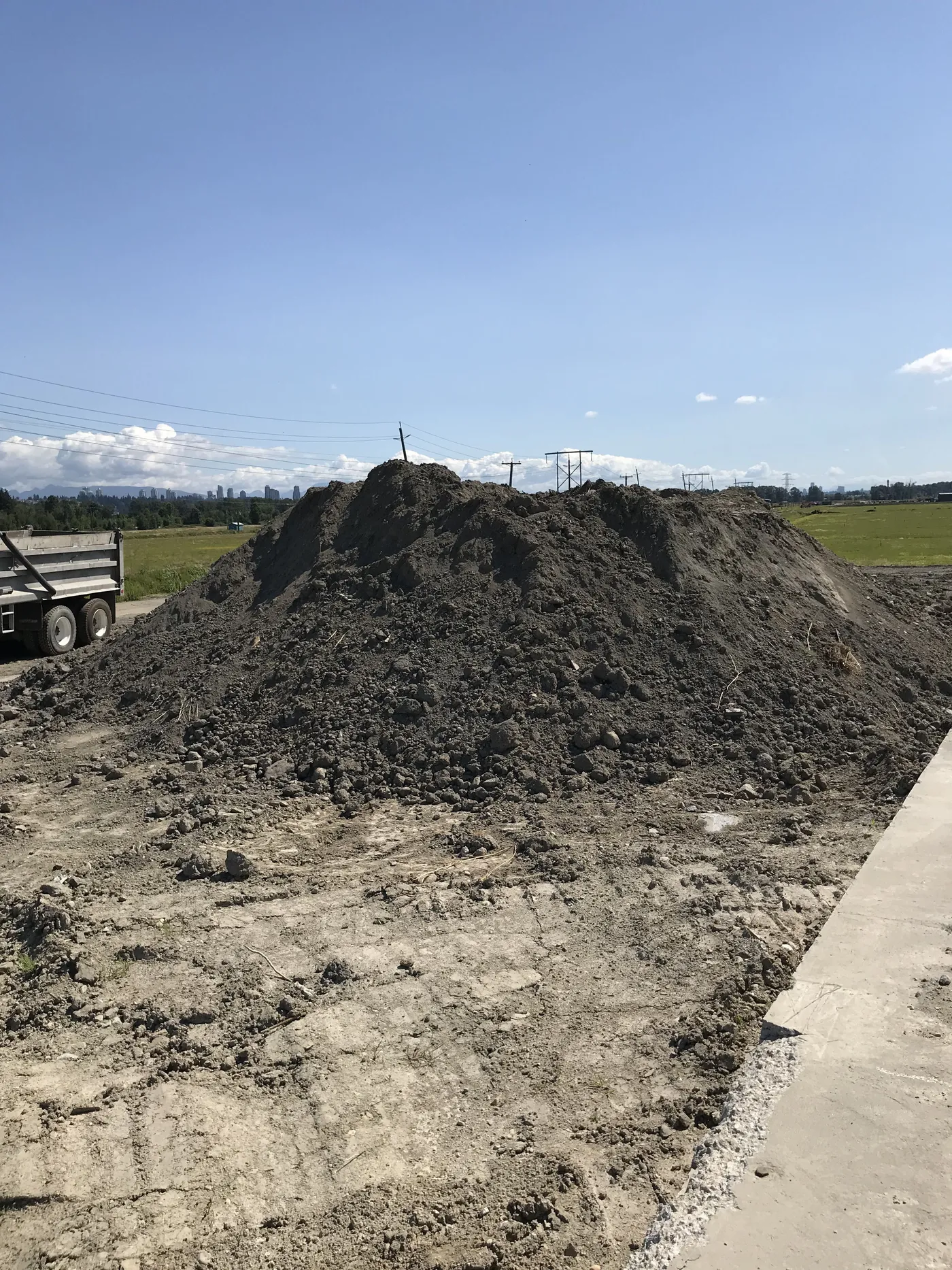
The first truck is easy to ignore. By the twentieth, the field next door is a different shape, and you start to wonder whether anyone signed off on it.
Sometimes someone did. The Agricultural Land Commission describes three lawful ways to place fill on land in the Agricultural Land Reserve: as a use the ALR Use Regulation already permits, such as fill for a farm building or a home within set limits; authorized by a Notice of Intent filed with the Commission’s chief executive officer; or through a soil or fill use application the Commission has approved. Large, area-wide filling is generally the application route, and those applications go to the local government first, which may resolve to forward them to the Commission.
Your municipality usually has its own say as well. In Richmond, the Soil Deposit and Removal Bylaw No. 10200 says no one may deposit soil without a permit unless an exemption applies, and the City will not issue a permit for work that needs the Commission’s approval until the Commission has granted it.
The useful question is whether this fill, on this property, has the approvals it needs.
Checking what has been approved
Three public sources answer most of it.
- Is the land in the ALR? The Commission’s ALR Property and Map Finder searches by civic address or parcel identifier. It is a reference tool; the Commission’s mapping staff give official confirmation.
- Has anything been filed? A second Commission map shows applications and notices of intent on ALR land, and its Application and Decision Search publishes application summaries and decisions once an application is accepted as complete. Not every document is posted, for privacy reasons.
- Is there a permit sign? In Richmond, every permit holder must post a permit placard at the entrance to the property, where it can be seen from the road.
No placard does not prove the work is unauthorized, because some deposits are exempt from the permit. It is still worth noting.
What the rules protect next door
Several of a soil bylaw’s rules exist for the people next door. Richmond’s include these, some of which the City can exempt in writing:
- no soil within 3 metres of a property line unless the City authorizes it, and where soil is placed within 6 metres of the line, the slope nearest the line can be no steeper than 1 metre vertical to 4 metres horizontal;
- no depositing between 7:00 p.m. and 7:00 a.m., or on weekends and statutory holidays unless the permit allows it;
- the fill must not interfere with drainage on adjoining properties so as to flood them, and run-off onto adjoining land must not increase once the work starts;
- adjacent boundaries must be protected from erosion, collapse and run-off of water or mud.
Work that is exempt from the permit still has to meet these site rules. Delta and Surrey, among others, run their own soil bylaws with their own triggers and conditions, so the details depend on where you are.
A properly run filling project tends to show it. A Richmond permit application can include a drainage plan from a professional engineer, an independent monitoring plan and, on ALR land, a report from a Professional Agrologist. At closure, the City can require a final agrologist’s report confirming the work met the permit’s conditions.
Raising a concern
For ALR land, the Commission asks the public to use its online violation report form if an activity appears unauthorized, and lists fill placement and soil removal among the activities that can be unauthorized. File one report per property issue. The Commission says every report is logged, reviewed and followed up, but it is unlikely to send regular updates. It also notes that what you submit may be shared with partner agencies where strictly necessary.
Your municipality enforces its own bylaw, so its soil or bylaw staff are the second door. Inspection records and orders the Commission’s compliance team has issued to companies and public bodies can be looked up in the provincial Natural Resource Compliance and Enforcement Database.
If you want to know what a notice can require of the owner, our post on soil and bylaw notices about fill walks through it.
Keeping a record of your own land
Your own record is worth starting early. Dated photos taken from your side of the line, notes of when the work happens, and a record of where water now lies on your field that did not before are worth more than any later recollection.
If your land has been affected, the drainage design is an engineer’s job. What the fill has done to your soil, and what it would take to put it right, is ours. Our reclamation, closure and compliance work covers that assessment and the plan, and our agrologist of record service is the independent oversight a permitted filling project can be asked to carry. Our page on soil deposit and removal permits explains how the provincial and municipal approvals fit together.
If the trucks next door have you concerned, tell us what you are seeing and we will help you work out what is approved and what your options are.