Farm Status Care: a yearly plan to get and keep farm class on ALR land
A yearly plan for owners of ALR land who want farm class kept honestly: a working farmer under a real lease, the lease filed with BC Assessment on time, and each year's evidence in order.
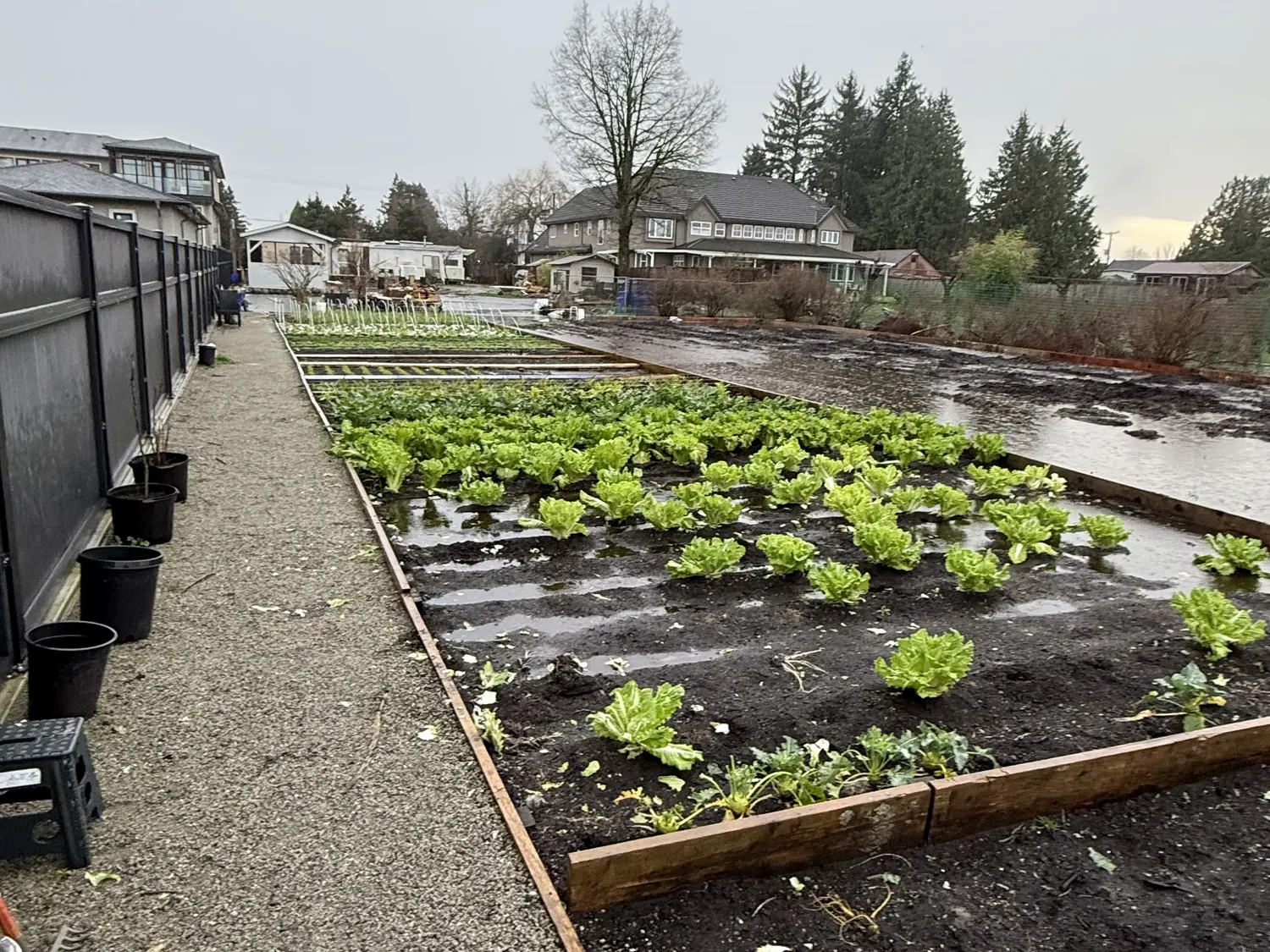
Farm class is a BC Assessment property classification. For land you lease to a farmer it rests on three things: genuine farming, a current lease on file with the assessor, and evidence of what the farm sold. The lease and the evidence both run on dates, and a missed date can cost the classification. Farm Status Care is a yearly plan that keeps all three in order for owners of land in the Agricultural Land Reserve. BC Assessment decides the classification every time, and we never promise the outcome.
What's included
- A first check of the property and the farming on it against the Classification of Land as a Farm Regulation, with a plain answer on whether farm class is realistic
- If you have no farmer yet, a referral to the free B.C. Land Matching Program, and our read of what the land can support
- The written lease checked against what the regulation requires it to contain, and against the farming on the ground
- The farm classification application and the lease copy prepared with you and delivered to the assessor by the October 31 deadline
- A calendar of the dates that matter for your property: the filing deadline, the lease expiry and BC Assessment's lease resubmission interval
- Each year, the farmer's sales records gathered and checked against the income requirement, so a shortfall or a missing receipt is known early
- Help answering BC Assessment's requests for information inside the time the notice allows
- A yearly note on where the classification stands and what needs attention before the next deadline
Farm class is decided on evidence
Farm class is a property classification under the Assessment Act. BC Assessment applies it under the Classification of Land as a Farm Regulation, and it is separate from the Agricultural Land Reserve: being in the reserve does not make a property a farm for assessment. Our guide to farm status on a BC property explains the difference.
For an owner who does not farm the land personally, the regulation allows for a lease. Under section 4, a farm operation can include land that is leased in accordance with section 7. BC Assessment’s guidance sets out when land leased to a farmer may qualify: the owner applies, the owner and the farmer enter into a lease, the leased land makes a reasonable contribution to the farm operation, and the farmer meets the income and sales requirements.
None of that can be met on paper alone. A lease with nobody farming behind it does not meet the test, and we will not help put one together.
The dates that decide it
- October 31. An application for farm class must be delivered to the assessor on or before October 31 (section 3 of the regulation), and for leased land a copy of the lease must be submitted by the same date (section 7). BC Assessment does not accept late applications. A late applicant has to reapply the following year.
- Lease expiry, and every seven years. BC Assessment requires a new lease when the old one expires, and asks for a current lease to be resubmitted every seven years. It puts the onus on the property owner to keep a current lease on file.
- 21 days. The assessor may require reporting, receipts and lease documents from the owner or the farmer, before or after the assessment roll is completed. The information is due no later than 21 days after the notice is received, or by the end of a longer period if the notice gives one (section 10).
Farm Status Care keeps these dates for you and has the paperwork ready ahead of them.
What the lease has to say
Section 7 lists what the lease document must contain: the names and signatures of the owner and the farmer, a legal or other well-defined description of the land, the commencement date, the signing date, the duration, the lease area, the intended use of the land, and the consideration for the lease. BC Assessment publishes a lease form that can be used for this.
To be classed as farm, leased land must make a reasonable contribution to the farm operation. It must also be 0.8 hectares or larger, with an exception for land in an agricultural land reserve that is used for a qualifying agricultural use.
We check the lease against that list and against the ground. The area in the lease should be the area being farmed, and the use in the lease should be the use that is on the land.
The income record
The farm has to sell. Section 5 of the regulation sets a gross annual value the farm operation must reach, and the amount depends on the size of the operation: $2,500 between 0.8 and 4 hectares, $10,000 under 0.8 hectares, and a higher figure tied to the land’s value above 4 hectares, with a few narrow exceptions set out in the regulation.
The rent you receive does not count toward it. BC Assessment says so directly: the lease or rental amount paid to the owner is not qualifying income. What counts is the farmer’s sales of qualifying agricultural products. The schedule to the regulation lists the uses that qualify, and it excludes produce grown for consumption on the farm itself. Where the farmer also farms other land, the whole farm operation has to meet the requirement. Where the leased land is all there is, production on that land has to meet it.
Each year we gather the farmer’s sales records and check them against the requirement. We do not certify income and we do not adjust it. The figures are the farmer’s own, and if they fall short we tell you.
Where the B.C. Land Matching Program fits
If you have land and no farmer, start with the B.C. Land Matching Program. It is funded by the federal and provincial governments and delivered by Young Agrarians. It matches landowners with farmers who are looking for land, supports them in developing their agreement, and costs nothing to take part in.
Farm Status Care works alongside it. We do not find tenants. Our part is the classification: the rules, the filing, the record and the assessor’s questions, each year.
What we will not do
We will not promise farm class. BC Assessment decides, on the regulation and on the evidence, and its guidance is clear that leased land will not be classed as farm where the farmer does not meet the income and sales requirements, the land stops being used for a qualifying agricultural use, a current lease is not on file by the deadline, or requested information is not provided.
We will not support an arrangement where the farming is not real. And the plan is not legal or tax advice. The lease as a contract is a matter for you, the farmer and, where the arrangement calls for it, a lawyer.
How it runs
Tell us about the property and whether anyone is farming it. We check the land and the operation against the regulation and tell you plainly whether farm class is realistic, and if it is not, what would have to change.
From there the plan follows the year: the lease and the application in before the deadline, the sales record kept as the season goes, the assessor’s requests answered when they come, and a note to you each year on where things stand.
Where the land is not producing yet, the regulation has a separate route for land being developed as a farm, and a farm plan is where that starts. Where the soils are in doubt, a land capability assessment establishes what the land can carry.
Titrin AgriSoil Solutions is based in Richmond and works across the Lower Mainland and the Fraser Valley. The work is led by Tish Titina, P.Ag., M.Sc.
To ask about Farm Status Care for your property, send us a message or email info@titrin.com. Mention Farm Status Care, the property address, and whether a farmer is already on the land.