June 15, 2026 · 4 min read
Land Capability Assessment: How BC Rates Farmland (and When You Need One)
What a land capability assessment is, how BC's seven-class agricultural rating works, and the situations where a Lower Mainland landowner is asked to provide one.
What a land capability assessment is
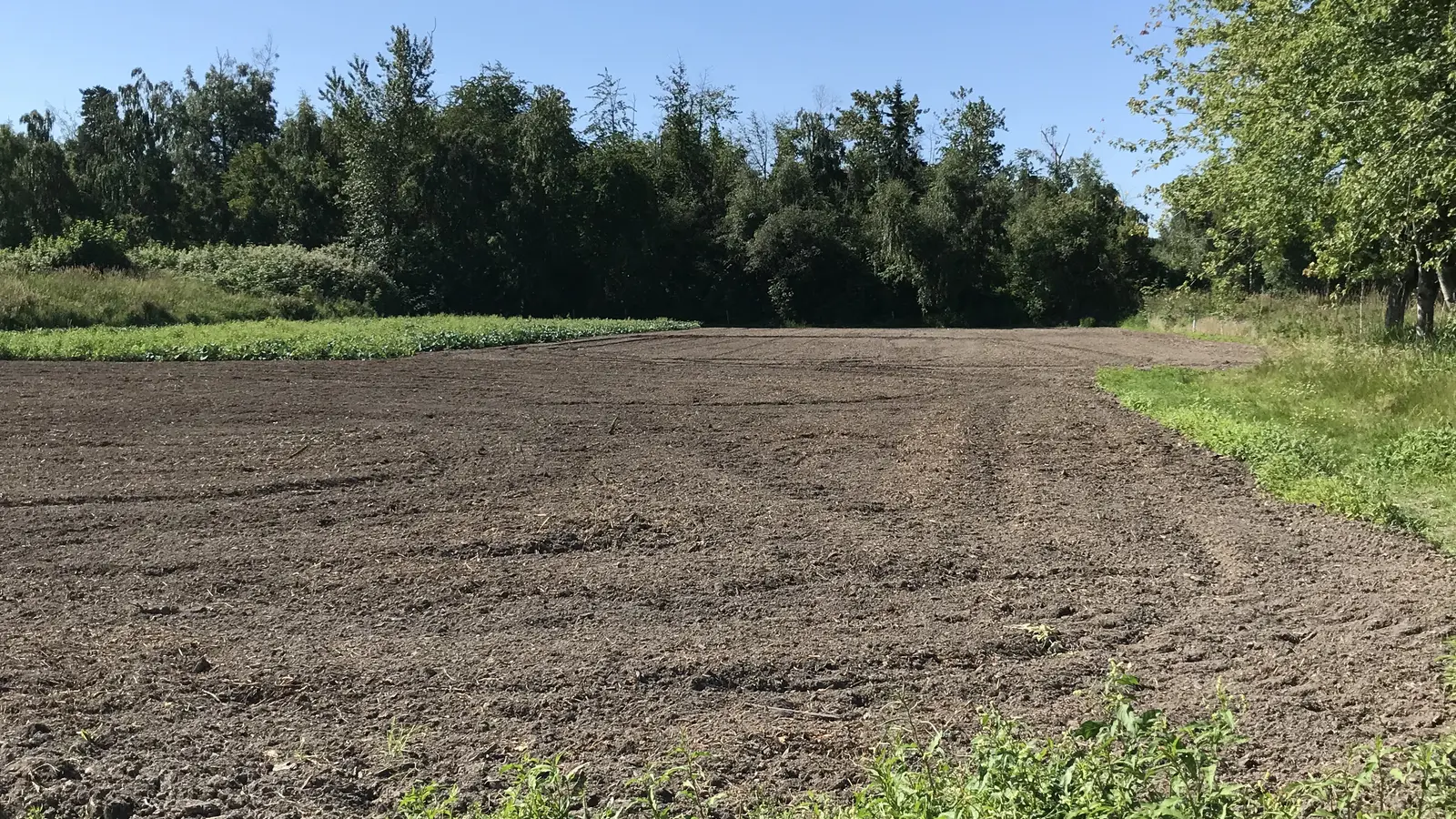
A land capability assessment answers a deceptively simple question: how good is this ground for farming, and what is limiting it? Not what you happen to grow on it today, but what the soil and climate would let you grow if the land were managed well. It is a soils-and-site question, and in British Columbia it has a formal answer through the Land Capability Classification for Agriculture, the rating system the Agricultural Land Commission (ALC) and many local governments lean on when they need an objective read of agricultural potential.
That objectivity is the point. “This is good farmland” is an opinion. A capability class, backed by field observation of the soils actually in the ground, is evidence a regulator can weigh.
How BC’s classification works
The provincial system sorts land into seven capability classes. Class 1 is the best: land where climate and soil together allow the widest range of crops with no significant limitations. As the numbers climb toward Class 7, the limitations stack up and the range of crops that will thrive narrows, until Class 7 land is considered non-arable, with no real potential for soil-bound agriculture.
Most Lower Mainland farmland does not sit at the extremes. It lands somewhere in the middle, and that is where the subclass matters. Apart from Class 1, each class carries one or more subclass letters that name why the land is limited: soil moisture deficiency, excess water, topography, stoniness, or low fertility. A class number tells you how capable the land is; the subclass tells you what is holding it back, and therefore what kind of management or improvement the limitation calls for.
There is one more wrinkle worth knowing, because it surprises people. BC’s system often records capability twice: the land’s rating under present, unimproved conditions, and its potential rating if feasible improvements were made. A wet field that drains poorly today may rate modestly as it sits, yet carry a stronger improved potential once drainage is addressed. That gap between “as is” and “could be” is frequently the whole story on Lower Mainland ground, where high water tables and fine-textured delta soils are common.
When you actually need one
Landowners rarely seek out a capability rating for its own sake. It usually surfaces because a process asks for it:
- An ALC application. Whether the request is a non-farm use, a subdivision, or an exclusion, the Commission weighs the agricultural capability of the land. A clear, defensible capability assessment gives that conversation a factual footing instead of competing assertions.
- A municipal review. In Richmond and across Metro Vancouver, local farmland and soil processes sometimes need an independent read of capability before a file advances.
- Due diligence on a purchase. Before committing to ALR land, knowing its real capability, and what it would take to improve it, is the difference between an informed offer and a hopeful one.
- Planning what to farm. Matching a crop to ground the soils can genuinely support beats discovering the mismatch after the planting.
Why it isn’t a desktop exercise
It is tempting to think capability can be looked up. Province-wide mapping exists, and it is a useful starting frame, but it was drawn at a broad scale and was never meant to be the final word on a single parcel. Soils vary across a field; a mapped polygon can hide pockets of better or worse ground than its label suggests. Relying on the map alone, on a property where the rating actually carries weight, is how a submission ends up out of step with what is really in the soil.
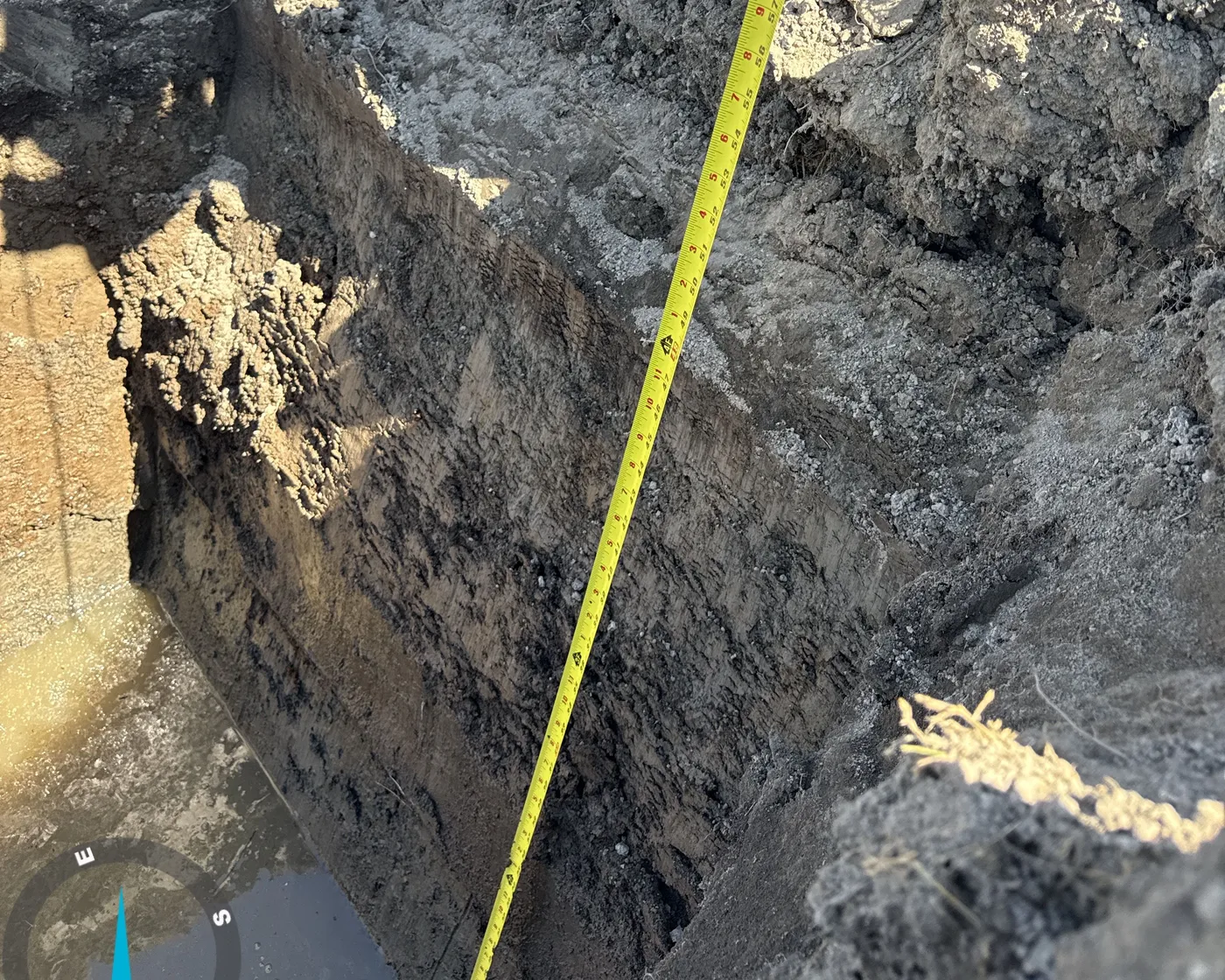
A sound assessment comes from the field: test pits and soil descriptions, an honest look at how water sits and moves, and a reading of the limitations against the right crops, interpreted by someone who knows how the ALC and municipalities read these reports. Where a limitation points to engineered drainage, that design belongs to a qualified engineer; the soils interpretation and the agricultural case are the Professional Agrologist’s work. The judgement is in connecting the soil in the ground to the class on the page, and defending it.
Talk it through with Titrin
Titrin AgriSoil Solutions is led by a Professional Agrologist registered with the BC Institute of Agrologists, with deep Lower Mainland and Richmond experience on both sides of the regulator’s desk. If you are facing an ALC or municipal process, or simply want to know what your ground is truly capable of before you commit, reach out for a straightforward conversation about your property.